When people discuss evolution, it is often in the context of “monkey to man” and the work of Charles Darwin in Origin of the Species. But evolution is not a dirty word. At its core, it simply means the gradual change from one state to another.
In truth, evolution is something we all experience. Throughout our lives we move through stages of learning, struggle, reflection, and transformation. Ideally, each experience shapes us in ways that make us wiser, kinder, and more capable than before.
We often call this process growth. Yet growth is really just another form of evolution—the steady progression of who we are becoming.
If we allow ourselves to learn from the world around us and from the challenges we face, we emerge from that process changed. Hopefully, we emerge bringing the good things with us, while embracing new ideas and attitudes.
After more than thirty years of social work and trauma work with families and children, I find myself at an interesting crossroads. Everything I have experienced during that time—both the good and the tragic—has shaped the person I am today, and I am content with who I have become.
Now, standing before a metaphorical fork in the road, an idea whispers softly in my ear:
“It’s done. This path you have blazed is complete. You can rest in the knowledge that it was a good journey. Now you are free to continue your life’s journey along the road not taken.”
I have always loved storytelling. Several years ago, I began writing novels exploring the psychological impact of child abuse and the investigations surrounding it. My Jennifer Riley series—The Boy in the Basement and Grave Justice—was well received and earned several awards.
Tapping into my author side allowed me not only to create stories that help readers understand families and children in crisis, but also to rediscover the joy of crafting narratives that resonate on a deeply human level.
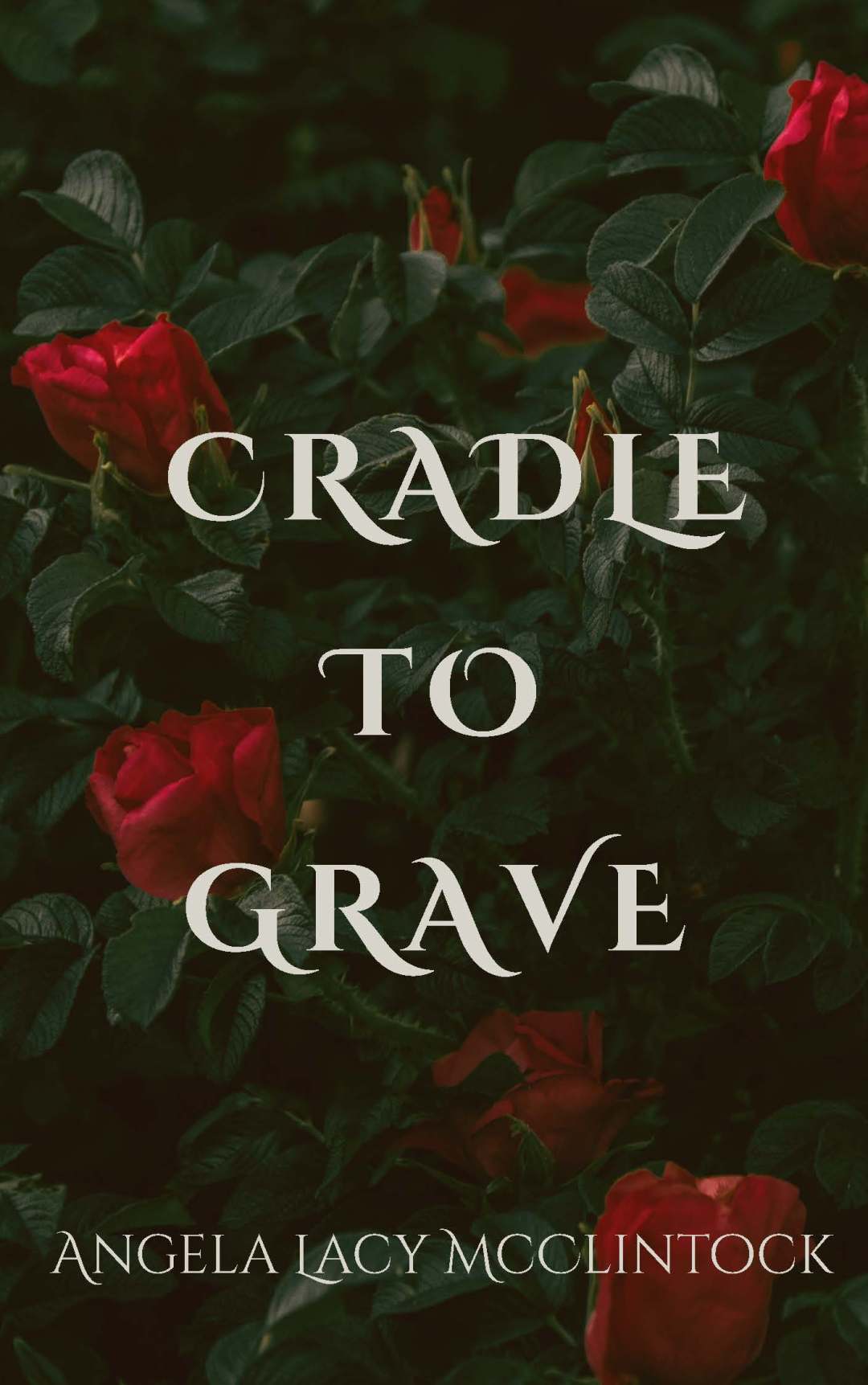
In 2026, I published my third novel, Cradle to Grave, the story of two girls who grew up in the Lower Ninth Ward of New Orleans before Hurricane Katrina. When the storm devastated their neighborhood and separated them, their lives—both marked by trauma—took very different paths. Twenty years later, a serial killer obsessed with revenge for imagined wrongs brings them back together, forcing both women to confront a sobering truth: nothing stays the same. Cradle to Grave explores a haunting question—what creates a killer: nature or nurture?
For more than thirty years my professional life revolved around families and children in crisis. Justice mattered, and I spent much of my career pursuing it.
Last year, as I cared for my husband through his cancer treatments, my world grew quieter. In the midst of hospital rooms and long nights, we found small, precious moments of joy. After he passed, I realized something inside me had shifted. I felt less drawn to chase after battles and more drawn toward reflection, peace, and creativity.
Writing has always been part of my life, and in recent years my novels have allowed me to explore the human stories behind trauma and survival. Now, as this season of life unfolds, I feel called to support the stories of others as well.
So the Water for Camels blog is evolving. Alongside my own writing, this space will now celebrate the work of other authors—through thoughtful reviews, reflections on storytelling, and conversations about the books that move us.
Stories matter. They help us understand one another, and sometimes they help us heal.
If you are an Indie Author, I would love to read and review your book.
 Water for Camels
Welcome to the third season of life, Angie. I really enjoyed The Boy in the Basement. If you haven’t done so already, please read and review my faith memoir Wisdom Builds Her House.
LikeLike
That sounds like something I would love to read do you sell signed copies?
LikeLike
Yes, I can mail you a signed copy, and the companion guide, The Wisdom Journal. Contact me through my website caroleduff.com.
LikeLike
Will do
LikeLike
I love it, Angie! From time to time I’ve wondered what became of you, knowing just a little about all you’ve journeyed through. I’m encouraged, even inspired to know of your latest quest. Evolution can also make people worse—bitter, resentful, negative shells of their former selves. Thank God, this has not happened to you! I don’t have a book, but love to write short stories. 🙏 May the Lord continue to bless you and keep you!
LikeLike
Thank you David.
Writing is both calming and cathartic.
Angela
LikeLike
my 2 memoirs Chosen and Untethered are on Amazon and my blog website is: https://bluebottleswritingstudio.com
I would love to have your comments
LikeLike